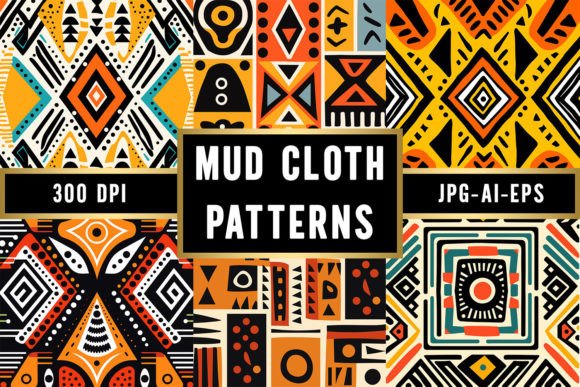
Mud Cloth Patterns: A Timeless Design for Modern Creativity
Mud cloth patterns, also known as bogolanfini, originate from the Mali region of West Africa. This traditional textile art involves hand-dyeing cotton fabric with fermented mud to create intricate, symbolic designs. Over centuries, these patterns have evolved into a globally recognized aesthetic, celebrated for their boldness, cultural depth, and versatility. Whether you're designing fashion pieces, home décor, or digital graphics, mud cloth patterns offer a unique way to infuse your work with authenticity and character.
Why Choose Mud Cloth Patterns?
The appeal of mud cloth lies in its rich history and visual impact. Each pattern tells a story—often related to ancestry, spirituality, or community identity. These designs are not just decorative; they carry meaning that resonates across cultures. For modern creators, this makes them an excellent choice for projects that aim to connect with tradition while staying contemporary.
Available in JPG, AI, and EPS formats, mud cloth patterns are easy to integrate into various creative workflows. From graphic design software to print-on-demand platforms, these files ensure high-quality output suitable for both small-scale and large-scale production.
6 Must-Know Mud Cloth Patterns for Your Projects
Here are six popular mud cloth patterns that can elevate your creative work:
- Adinkra Symbols: Originating from Ghana, these geometric motifs often represent proverbs or philosophical concepts. They add a layer of storytelling to any design.
- Animal Motifs: Animals like crocodiles, antelopes, and birds appear frequently in mud cloth, symbolizing traits such as strength, agility, and freedom.
- Geometric Shapes: Stripes, zigzags, and triangles are common in traditional mud cloth. Their structured yet organic look works well in modern interiors and apparel.
- Abstract Forms: These free-flowing designs mimic natural elements like rivers, trees, or clouds. They bring a sense of movement and fluidity to any project.
- Cultural Icons: Some patterns feature stylized figures or scenes that reflect local traditions, making them ideal for educational materials or cultural events.
- Striped Variations: Simple yet striking, striped mud cloth patterns are perfect for minimalist designs that still want to make a statement.
Where to Use Mud Cloth Patterns
Mud cloth patterns are incredibly versatile. Here’s how different users can benefit from them in real-world scenarios:
- Fashion Designers: Incorporate mud cloth into clothing lines to stand out in the market. The patterns add a touch of global flair without being overly trendy.
- Interior Decorators: Use mud cloth textiles for cushions, curtains, or wall art to introduce a warm, earthy vibe into living spaces.
- Graphic Designers: Apply these patterns to branding materials, logos, or packaging to evoke a sense of heritage and craftsmanship.
- Entrepreneurs: Start a small business selling mud cloth-inspired products like phone cases, tote bags, or home accessories. The demand for ethically sourced and culturally inspired goods is growing rapidly.
- Educators: Use mud cloth patterns in classroom projects to teach students about African art, symbolism, and cultural expression.
- Bloggers and Content Creators: Feature mud cloth in lifestyle posts or DIY tutorials to engage audiences interested in sustainable and meaningful design choices.
What to Consider Before Using Mud Cloth Patterns
Before incorporating mud cloth patterns into your work, there are a few things to keep in mind:
Authenticity Matters: Ensure the patterns you use are respectful of their origins. Avoid using sacred symbols inappropriately or without understanding their cultural significance.
Quality of Files: When downloading vector files (AI or EPS), check the resolution and scalability to ensure they work well for print or digital use. High-resolution JPEGs are great for web content but may not be suitable for large-format printing.
Color Accuracy: Mud cloth patterns can vary in color depending on the dye and fabric used. If you're replicating them digitally, consider working with a color palette that closely matches the original hues.
License and Usage Rights: Make sure you understand the terms of use for the patterns you download. Some may require attribution or have restrictions on commercial use.
Design Compatibility: Not all patterns will work for every project. Test them out on mockups or samples before committing to a full design to see how they interact with other elements like text or photographs.
Real-World Applications and Outcomes
Imagine running a boutique that specializes in eco-friendly fashion. By incorporating mud cloth patterns into your collection, you can attract customers who value sustainability and cultural appreciation. You might even collaborate with artisans in West Africa to source authentic fabrics, adding another layer of ethical value to your brand.
For a home decorator, using mud cloth in a living room could transform the space into a welcoming environment that feels grounded and connected to nature. It’s a subtle yet powerful way to express personal style while honoring traditional craftsmanship.
If you're a marketer looking to launch a new product line, mud cloth patterns can help differentiate your brand from competitors. They offer a unique visual identity that stands out in crowded markets, especially when paired with storytelling around the cultural roots of the design.
Even hobbyists and DIY enthusiasts can enjoy the process of experimenting with mud cloth patterns in scrapbooking, quilting, or custom artwork. The patterns provide endless inspiration and allow for creative expression without requiring advanced skills.
In each of these scenarios, the key is to approach mud cloth patterns with respect and intention. Whether you're using them for commercial purposes or personal projects, they can add depth, meaning, and beauty to your work.