Hyacinth and Aster Flower Patterns: A Versatile Design Resource for Creative Professionals
The Artistry of Hyacinth and Aster Flower Patterns
Hyacinth and Aster flower patterns bring a unique blend of elegance and vibrancy to design projects. These floral motifs are not only visually appealing but also rich in symbolism, making them a popular choice among designers, artists, and creators across various industries. The Hyacinth, with its clusters of bell-shaped flowers, represents devotion and sincerity, while the Aster, known for its star-like petals, symbolizes love and patience. Together, they form a harmonious collection that can be used in a wide range of applications.
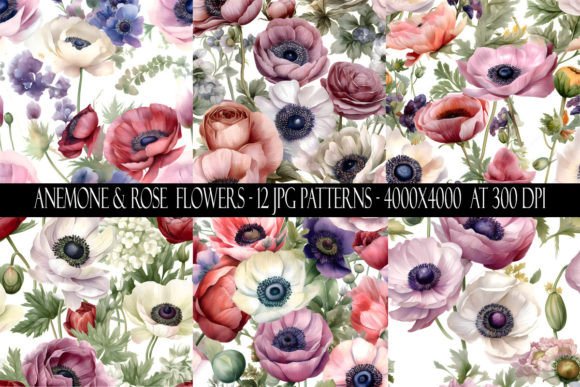
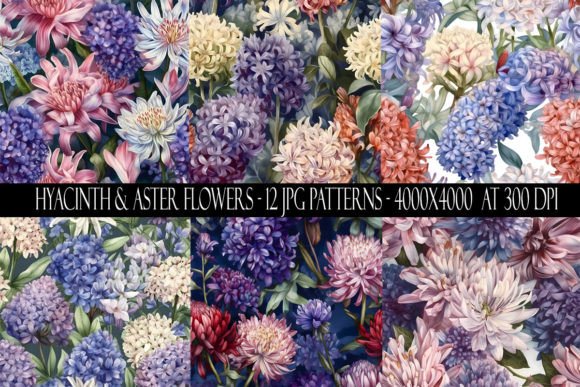
This particular collection of Hyacinth and Aster Flower Seamless Patterns is designed to cater to both personal and commercial needs. It includes 12 seamless patterns in JPG format, each measuring 4000 x 4000 pixels at a high resolution of 300 dpi. This level of detail ensures that the patterns remain crisp and clear, whether printed on large-scale materials or used digitally for web or app interfaces.
Key Features of the Hyacinth and Aster Flower Pattern Collection
The digital pack comes in a zip file format, making it easy to download and access. Each pattern is optimized for seamless tiling, which means that when repeated, there are no visible seams or distortions. This feature is particularly useful for textile design, packaging, and graphic design where continuity is essential.
- High Resolution: At 300 dpi, these patterns are ideal for print-on-demand services and commercial printing.
- Commercial Use Licensing: The collection includes a license for commercial use, allowing businesses to incorporate these designs into their products without legal concerns.
- Print-On-Demand Compatibility: The resolution and format make these patterns suitable for print-on-demand platforms, enabling entrepreneurs to create custom products like apparel, home décor, and stationery.
Practical Applications Across Industries
The versatility of Hyacinth and Aster flower patterns makes them applicable across multiple industries. In the fashion industry, these patterns can be used to design clothing items such as dresses, scarves, and accessories. Their intricate details add a touch of sophistication, appealing to both casual and formal wear.
In interior design, these patterns can be incorporated into wall coverings, upholstery, and decorative items. The ability to seamlessly repeat allows for larger surface coverage without disrupting the visual flow. Additionally, the soft and elegant nature of these floral designs complements a variety of interior styles, from traditional to contemporary.
For the packaging industry, these patterns offer an attractive option for product wrapping and branding. The high-resolution images ensure that the designs look premium on small and large packaging formats alike. Whether it's a luxury skincare product or a boutique gift item, these patterns can enhance the overall aesthetic appeal.
Designers and Creators: What You Need to Know
Designers looking to incorporate Hyacinth and Aster flower patterns into their work should consider the following aspects. First, understanding the color palette of each pattern is crucial. Some designs may have more muted tones, while others feature bold and vibrant colors. This variation allows for flexibility in matching the patterns with different project requirements.
Second, considering the scalability of the patterns is important. Since they are provided at 4000 x 4000 pixels, they can be scaled down without losing quality. However, scaling up beyond this size may affect the clarity of the design elements. It’s recommended to test the patterns at different sizes before finalizing any project.
Lastly, the licensing terms should be reviewed carefully. While the collection includes commercial use rights, it’s always good practice to understand the specific limitations and conditions outlined by the provider. This ensures that all uses are compliant and that the designer can confidently use the patterns in their projects.
Creating with Hyacinth and Aster Flower Patterns
For those who are new to using these patterns, starting with simple projects can be an effective way to get familiar with their characteristics. For instance, creating a greeting card or a digital wallpaper using one of the patterns can help understand how they behave when tiled and how they interact with other design elements.
As confidence grows, more complex projects can be undertaken. Incorporating these patterns into textiles, such as fabric prints or embroidered designs, can be a rewarding experience. The key is to experiment with different color combinations and layering techniques to achieve the desired effect.
It’s also worth exploring how these patterns can be combined with other design elements. Adding text, geometric shapes, or other floral motifs can create a more dynamic composition. The goal is to maintain balance and harmony while ensuring that the Hyacinth and Aster patterns remain the focal point of the design.
Considerations for Long-Term Use
While the Hyacinth and Aster flower patterns are highly versatile, there are a few considerations to keep in mind for long-term use. One of the most important factors is the storage and organization of the digital files. As the collection includes 12 patterns, it’s advisable to categorize them based on color schemes, complexity, and intended use. This helps streamline the design process and reduces the time spent searching for the right pattern.
Another consideration is the potential need for customization. While the provided patterns are ready to use, some designers may wish to modify them to suit specific project requirements. This could involve adjusting colors, adding textures, or altering the layout. It’s important to have the necessary tools and skills to make these modifications effectively.
Finally, staying updated on trends and market demands can help ensure that the use of these patterns remains relevant. Monitoring how similar floral patterns are being used in the design community can provide inspiration and insights into new applications and combinations.